AI has exploded across the enterprise. Developers use it to write code faster. Analysts use it to summarize documents. Business teams use it to produce content, explore ideas and solve problems in ways that were never possible before.
This is a major step forward. AI has democratized access to knowledge and lowered the barrier for anyone to build small solutions that once required specialized skills.
But as more teams experiment with AI on their own, a new reality is emerging:
Enterprises are flooded with isolated AI projects.
The challenge now is how to operationalize them safely, reliably and at scale.
After watching this play out again and again, I believe there are three core reasons why enterprises now need AI orchestration.
1. Security and governance must come first

Teams across the organization are creating their own AI tools. Some are helpful. Some are prototypes. Some are risky without anyone realizing it. Once leadership says, “this is great, now make it real,” everything changes…
Security becomes the number one concern.
Leaders must ask:
- Could this expose company or personal data?
- Does it comply with our security policies?
- Does the data flow in ways we can control and audit?
Most grassroots AI experiments do not address these questions upfront. The focus is usually on moving quickly, proving value and exploring what is possible.
Teams are trying to build momentum, not design production systems. As a result, security often becomes a consideration only after leadership decides an experiment should become a real, supported solution.
This is why enterprises need a unified way to govern AI across departments, even when teams build solutions independently. An orchestration layer allows teams to move quickly while keeping security risks under control.
2. Reliability and cost control matter once AI hits production

A demo running on someone’s laptop is not the same as a production system serving thousands of users. When IT is asked to operationalize an AI project, they have to solve for:
- uptime
- error handling
- scaling
- performance
- predictable cost
These are not “nice to have.” They are make-or-break.
Many teams are surprised at how expensive AI becomes when usage scales.
As usage grows, the volume of AI requests can increase dramatically. What costs pennies in a small test environment can become a major expense when those same workflows run thousands or millions of times in production.
Long-term reliability and economic scalability require thoughtful architecture.
This is where AI orchestration becomes essential. It ensures that AI runs efficiently, consistently and within budget, no matter how usage grows.
3. AI evolves too quickly for rigid systems
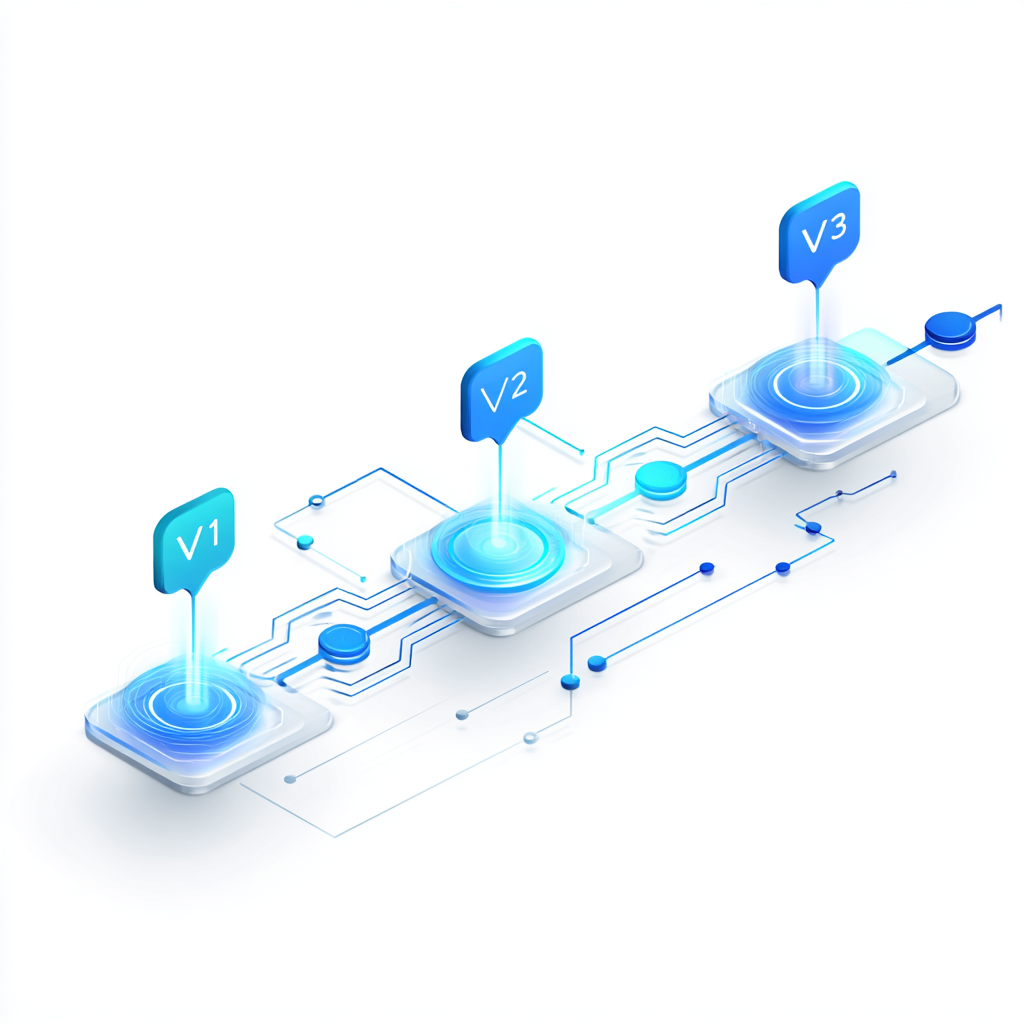
Today’s state-of-the-art model will not be tomorrow’s. Enterprises must be able to:
- switch models
- update workflows
- introduce new agents
- retire old ones
- adapt logic as goals and data change
Rigid systems and traditional automation practices cannot keep up with the speed of AI progress. These methods were designed for stable, predictable processes, not constantly evolving models and changing logic.
By the time an AI solution is integrated using the old approach, the underlying technology may have already shifted, forcing teams to rework integrations and delay deployment.
AI orchestration provides the flexibility to adapt without rebuilding everything. It decouples your workflows from your models so you can continue innovating as the landscape evolves.
So what does the solution look like?

A modern AI orchestration platform:
- listens to real-time events across the enterprise
- applies the right AI at the right moment
- coordinates people, systems and actions
- enforces security and governance
- adapts as AI models evolve
It is not a bundle of point solutions. It is not a single model or agent. It is the nervous system that makes AI reliable, safe and operational at scale.
This kind of platform is closely aligned with what companies like Vantiq specialize in, but the principles stand on their own: Enterprises need a way to turn isolated AI ideas into dependable systems that work across the entire organization.
Want to go deeper?
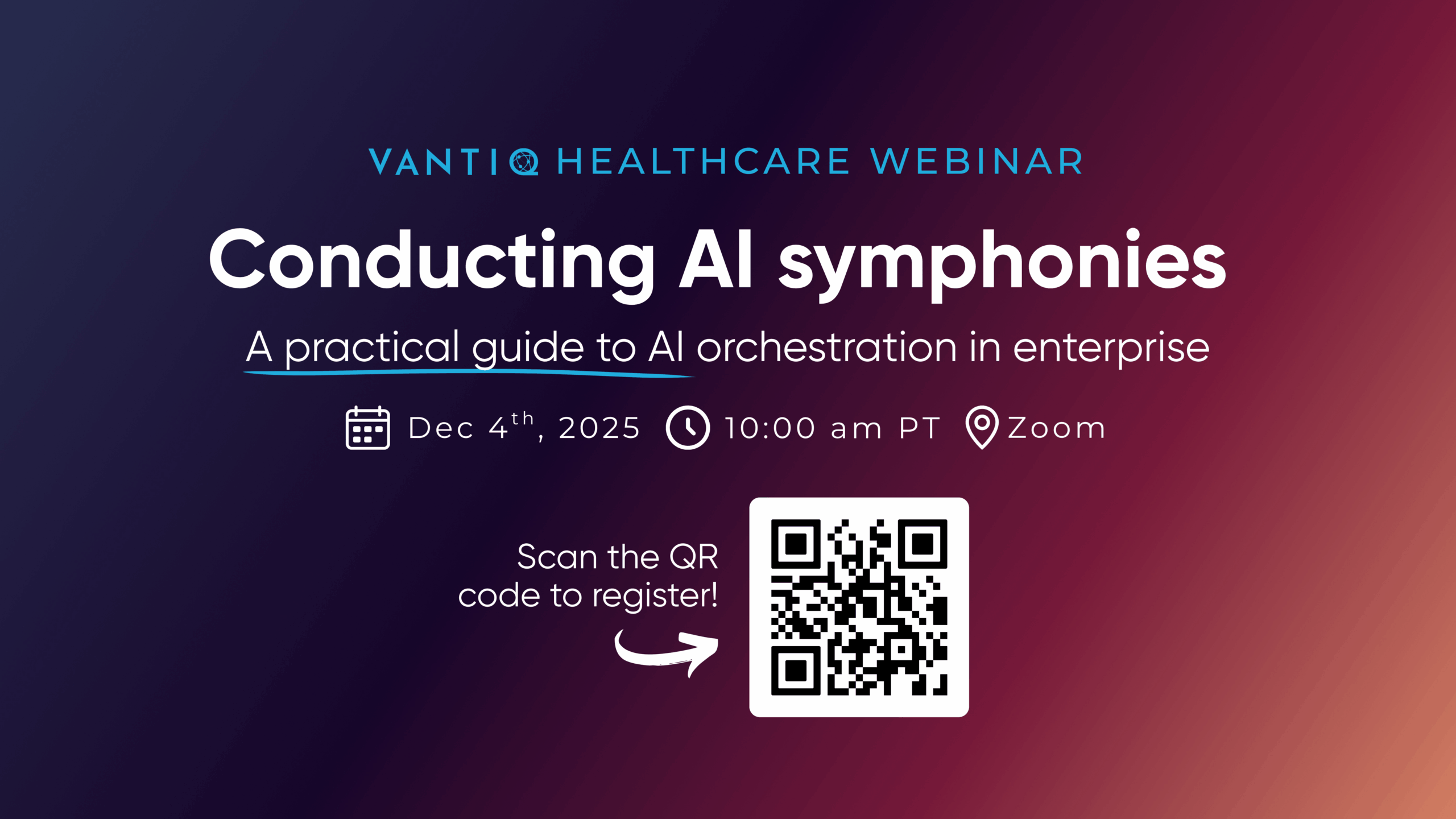
In our upcoming session, “Conducting AI Symphonies: A Practical Guide to AI Orchestration in Enterprise”, we will walk through what AI orchestration looks like in practice, the architectural patterns that support it, and the pitfalls to avoid when scaling AI across teams. Click here to register today!